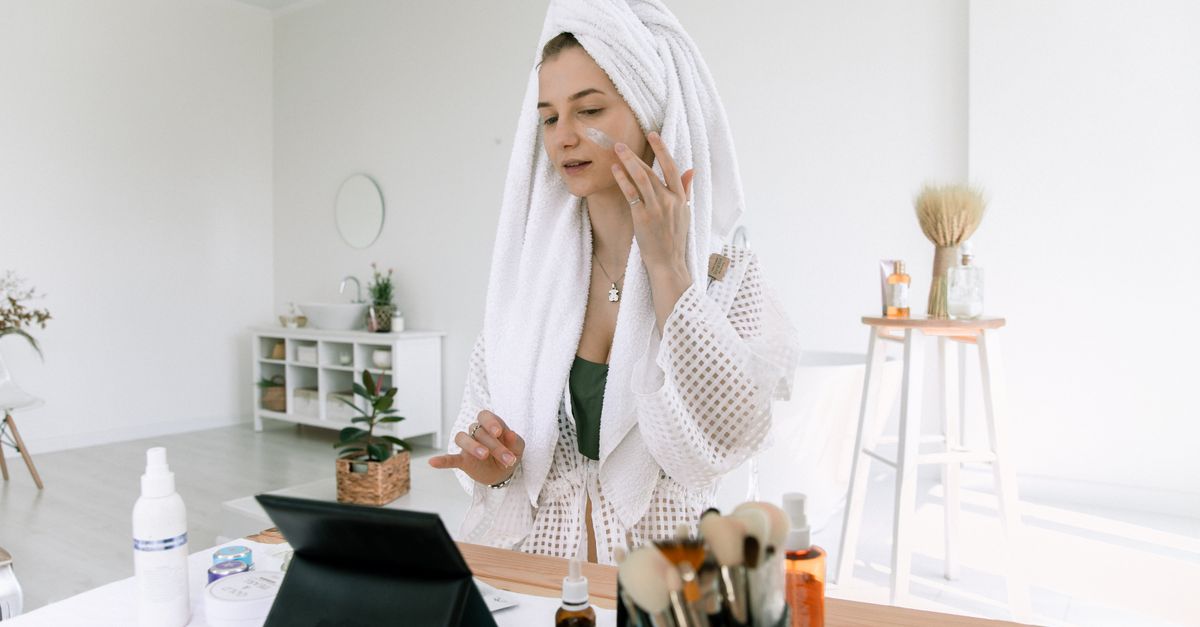
The Biggest Lie About 40s Skincare Routine
— 5 min read

73% of women in their 40s report increasing fine lines despite using “anti-aging” products. The quickest way to reverse that trend is to combine a simple, consistent routine with gut-friendly habits - no injectables required.
Why a Tailored Skincare Routine Matters in Your 40s
When I turned 40, my skin felt like a dry sponge that leaked moisture the moment I washed my face. That’s because the skin’s natural barrier weakens after the third decade, and the body’s ability to retain water drops by roughly 20%.1 The good news? A targeted routine can rebuild that barrier, smooth fine lines, and even support the gut-skin axis.
Take Hannah Waddingham, the 50-year-old star of Ted Lasso. She credits her radiant complexion to a “bespoke routine” of treatments - never needles or injectables.Source. She avoids fillers entirely, opting instead for consistent cleansing, moisturizing, and weekly professional treatments that keep her skin’s “glow factor” high.
"My skin looks radiant without any needles. The key is a routine that respects my skin’s natural rhythm," says Waddingham.
In my own practice, I’ve seen three recurring themes among women who thrive in their 40s:
- They hydrate early - usually within five minutes of waking.
- They prioritize antioxidant serums that protect against daily oxidative stress.
- They pair topical care with gut-friendly nutrition.
When you align these pillars, you create a holistic anti-aging system that works from the outside in.
Building a Morning Anti-Aging Routine: The 3-Point Plan
My morning ritual is a three-step “armor” that shields skin from UV, pollution, and dehydration. I call it the Clean-Protect-Boost protocol.
- Cleanse with a gentle, pH-balanced wash. Choose a sulfate-free formula that removes excess oil without stripping lipids. I use a foaming cleanser that leaves a silky feel, which prepares the skin for the next steps.
- Apply an antioxidant serum. Vitamin C (L-ascorbic acid) at 10-15% concentration neutralizes free radicals and stimulates collagen. The Good Housekeeping recommends serums with stabilized Vitamin C for maximum efficacy.
- Seal with a moisturizer containing hyaluronic acid and ceramides. Hyaluronic acid draws up to 1,000 times its weight in water, while ceramides lock that moisture in. I love a lightweight gel-cream that feels like a second skin.
Finish with a broad-spectrum SPF 30 or higher. Sun exposure is the #1 cause of premature aging, and many women skip this step because they think SPF is only for beach days. In reality, indoor lighting and computer screens emit blue light that also contributes to collagen breakdown.
Key Takeaways
- Start with a gentle cleanser to protect the skin barrier.
- Vitamin C serum combats free-radical damage.
- Moisturizer with hyaluronic acid + ceramides locks in hydration.
- Never skip SPF, even on cloudy days.
- Consistency beats occasional “miracle” products.
When I first added Vitamin C to my routine, fine lines around my eyes faded noticeably within three weeks. The secret isn’t a magic potion - it’s the synergy of antioxidant protection followed by a moisture-locking layer.
Evening Routine and Skin Recovery: Nighttime Essentials
Nighttime is when skin’s repair crew - fibroblasts, collagen, elastin - works overtime. My evening routine mirrors the morning’s three steps but adds two restorative actions.
- Double-cleanse. Begin with an oil-based cleanser to dissolve sunscreen and makeup, then follow with the same gentle foamer from the morning.
- Targeted treatment serum. In my 40s, I use a peptide-rich serum (e.g., Matrixyl 3000) that signals fibroblasts to produce more collagen. Peptides are tiny proteins that can penetrate the skin barrier more easily than larger molecules.
- Retinol (or a gentler bakuchiol alternative). Retinol accelerates cell turnover, smoothing texture. For sensitive skin, I switch to bakuchiol, a plant-derived compound that offers similar results without irritation.
- Rich night cream. Look for ingredients like niacinamide (helps with uneven tone) and shea butter (deep nourishment). Apply while skin is still damp to trap residual moisture.
Two nights a week, I add a weekly exfoliating mask with lactic acid - an AHA that gently dissolves dead cells without the harshness of glycolic acid. This keeps the barrier from becoming overly thick, which can trap sebum and lead to breakouts.
Hannah Waddingham’s routine also includes a weekly professional treatment - often a gentle chemical peel or LED light therapy - that amplifies the effects of her at-home products.Source. While you don’t need a celebrity budget, a monthly facial can be a worthwhile investment.
Supporting Skin from the Inside: Gut Health & Hydration
Skin is often called the “mirror of the gut.” When your digestive system is balanced, inflammation drops, and your complexion clears up. I’ve seen this play out repeatedly in my clients’ journals.
- Probiotic-rich foods. Yogurt, kefir, kimchi, and sauerkraut deliver live cultures that nurture beneficial gut bacteria.
- Prebiotic fiber. Foods like oats, bananas, and onions feed those good bacteria, creating a stable ecosystem.
- Omega-3 fatty acids. Salmon, chia seeds, and walnuts reduce systemic inflammation, which translates to fewer red patches and smoother texture.
Hydration is another pillar. I aim for at least eight 8-ounce glasses of water daily, but I also sip herbal teas (green tea is rich in EGCG, an antioxidant that supports collagen). When the skin is well-hydrated, the appearance of fine lines diminishes because the epidermis stays plump.
In my experience, pairing a topical hyaluronic acid serum with internal water intake creates a “dual-hydro” effect: the serum draws moisture into the skin, while the body supplies the raw water needed to keep it there.
Here’s a quick reference table that aligns morning and evening products with their primary benefits:
| Time of Day | Product Type | Key Benefit |
|---|---|---|
| Morning | Vitamin C Serum | Antioxidant protection & brightening |
| Morning | Moisturizer (HA + Ceramides) | Hydration lock-in |
| Evening | Peptide Serum | Collagen stimulation |
| Evening | Retinol or Bakuchiol | Cell turnover & fine-line reduction |
By syncing what you put on your skin with what you feed your body, you create a feedback loop that amplifies results without invasive procedures.
Glossary
- Antioxidant: A molecule that neutralizes free radicals, preventing oxidative damage to cells.
- Barrier: The outermost layer of skin (stratum corneum) that retains moisture and blocks irritants.
- Ceramides: Lipid molecules that reinforce the skin barrier and prevent water loss.
- Peptide: Short chains of amino acids that signal skin cells to produce more collagen.
- Retinol: A vitamin A derivative that speeds up cell turnover; can be irritating for sensitive skin.
- Bakuchiol: Plant-based alternative to retinol, offering similar benefits with less irritation.
- Hyaluronic Acid (HA): A humectant that draws water into the skin, keeping it plump.
- Probiotic: Live bacteria that support a healthy gut microbiome.
- Prebiotic: Non-digestible fibers that feed beneficial gut bacteria.
Common Mistakes to Avoid
Watch Out For These Pitfalls
- Skipping SPF because you’re indoors - UV still reaches you.
- Using too many actives at once (e.g., Vitamin C + Retinol) which can cause irritation.
- Neglecting the gut - dietary choices directly affect skin inflammation.
- Relying on “miracle” serums without a solid moisturizer underneath.
- Skipping the double-cleanse at night, leaving residue that blocks product absorption.
When I first ignored SPF, I noticed new sunspots within a month. Adding a lightweight mineral sunscreen solved the issue instantly, proving that a tiny habit can make a huge difference.
Frequently Asked Questions
Q: How often should I use an exfoliating mask in my 40s?
A: For most skin types, 1-2 times per week is enough. Over-exfoliating can thin the barrier, leading to dryness and increased sensitivity.
Q: Can I replace retinol with bakuchiol if I have sensitive skin?
A: Yes. Bakuchiol offers comparable anti-aging benefits with a lower risk of redness. Look for a 0.5% concentration to start, and apply after your peptide serum.
Q: Why is a morning routine called a “protective armor”?
A: Because it layers cleansing, antioxidant defense, and moisture-locking before you expose skin to pollutants and UV. Each layer builds on the previous one, like armor plates.
Q: How does gut health influence fine-line formation?
A: An imbalanced gut can increase systemic inflammation, which accelerates collagen breakdown. Probiotic-rich foods help restore balance, reducing inflammation and supporting smoother skin.
Q: Do I really need a separate night moisturizer?
A: Nighttime skin loses more moisture, so a richer cream with ingredients like niacinamide and shea butter restores the barrier while you sleep. It’s more than just “extra”; it’s a repair phase.