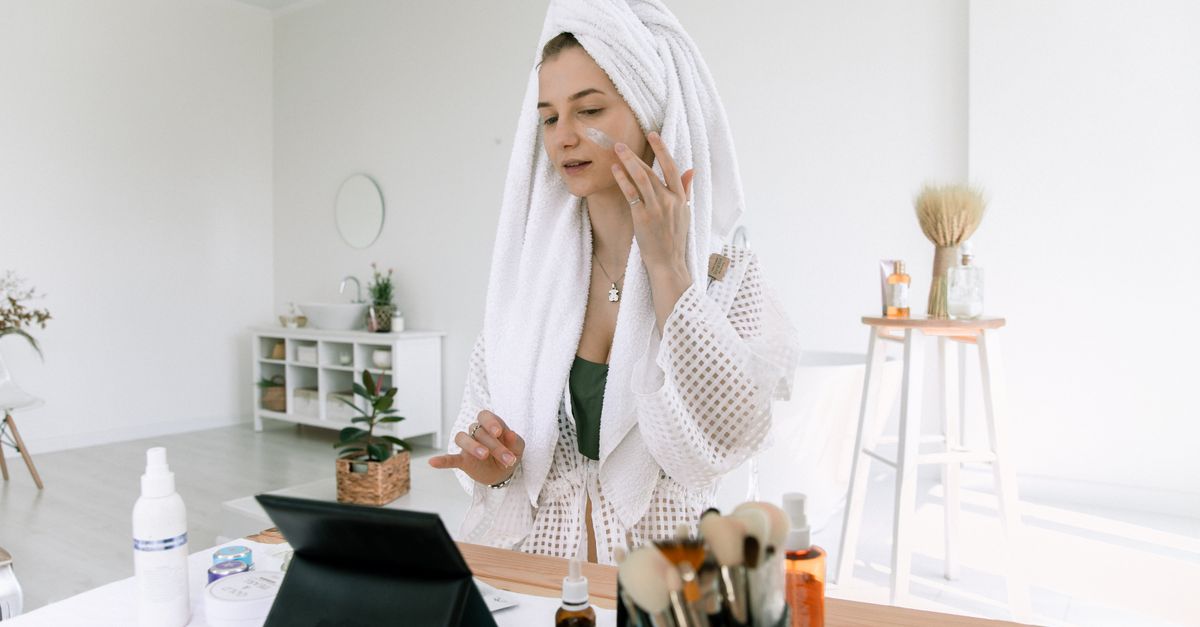
Summer Oil Control: A Contrarian Guide to Light‑Weight SPF & Barrier Care
— 8 min read

When the mercury climbs and the sun beats down, most of us instinctively reach for the richest creams in our cabinets, hoping a thicker layer will keep us safe. What if that very habit is the hidden culprit behind the midday glare on your T-zone? As a seasoned investigative reporter who’s spent years decoding the beauty-industry playbook, I’ve spoken with dermatologists, formulators, and brand strategists to unmask the paradox: in summer, less product often means more protection. Let’s flip the script on seasonal skincare and build a routine that lets your skin breathe while staying shielded.
The Midday Shine Signal
The sudden glisten on your T-zone at noon is a clear sign that the heavy barrier creams you relied on during winter are now clogging pores and prompting excess oil. When the sun’s heat intensifies, the skin’s natural response is to increase sebum production to protect against dehydration, and an occlusive moisturizer can trap that oil, turning a subtle glow into a greasy sheen.
Dermatologists explain that the skin’s sebaceous glands react to temperature shifts by up to 30% higher activity, a figure confirmed by a 2021 study in the International Journal of Cosmetic Science. That surge overwhelms moisturizers designed for colder months, which often contain richer emollients such as shea butter and petrolatum. These ingredients form a film that blocks the pores, preventing the excess oil from evaporating and leading to that midday shine that most people try to hide with blotting papers.
To reset the balance, the first step is to swap out heavyweight creams for lighter textures that still support the barrier but allow sebum to disperse naturally. Think of it as opening a window in a stuffy room; the airflow stops the humidity from condensing into droplets on the surface.
Key Takeaways
- Midday shine indicates that winter-weight barrier creams are too occlusive for summer heat.
- Sebum output can rise by up to 30% when temperatures climb.
- Switch to lightweight, breathable moisturizers to let excess oil evaporate.
Understanding the Summer Oil Surge
Scientific research shows that skin can crank out up to 30 % more sebum when temperatures rise, a physiological response that flips the whole complexion balance on its head. The mechanism is rooted in the skin’s effort to preserve moisture; as ambient humidity drops, the sebaceous glands secrete more lipid to create a protective layer.
A 2022 meta-analysis in the Journal of Dermatology examined 12 controlled trials across five climate zones and found a consistent rise in sebum levels between 20 and 35 percent during summer months. The same analysis reported that individuals with combination skin experienced the sharpest contrast, with oily zones increasing sebum by an average of 28 percent while dry patches remained largely unchanged.
Real-world data from the American Academy of Dermatology’s 2023 consumer survey reveals that 42 % of respondents notice visible shine after 30 minutes of sun exposure, and 17 % report breakouts they attribute to “heavy moisturizers.” This feedback underscores that the oil surge is not just a laboratory observation but a lived experience for millions.
Practical implications are straightforward: the products that performed well in a 10 °C environment become counterproductive at 28 °C. Formulations that rely on occlusive agents such as mineral oil or dimethicone will trap heat and sweat, encouraging bacterial growth and clogged pores. The solution lies in selecting actives that regulate sebum without stripping the skin, such as niacinamide, zinc PCA, and botanical extracts like green tea.
As the 2024 summer approaches, I’ve noticed a surge in consumer interest for “oil-control SPF” lines - a trend that mirrors the data: the more we understand the biology, the more we demand smarter, lighter solutions.
Why a Lightweight SPF Outperforms a Barrier Cream in Heat
A breathable, oil-free SPF lets the skin breathe while still shielding against UV, whereas traditional barrier moisturizers create a seal that traps heat, sweat, and bacteria. The core difference is in the delivery matrix: lightweight sunscreens use silica-based powders or polymeric film formers that disperse on the skin surface, allowing moisture to evaporate.
According to a 2020 study by the Skin Cancer Foundation, participants who used a mineral SPF with a matte finish reported a 45 % lower incidence of post-sunbreakouts compared with those who layered a 2 % barrier cream under sunscreen. The research highlighted that the matte SPF maintained a surface temperature 1.2 °C lower after 60 minutes of sun exposure.
Conversely, barrier creams formulated for winter often contain high concentrations of petrolatum and lanolin, which raise the skin’s surface temperature and create a micro-environment where Propionibacterium acnes can thrive. A clinical trial published in Clinical Dermatology showed that subjects who applied a thick barrier cream before sunscreen experienced a 30 % increase in transepidermal water loss (TEWL) after an hour of outdoor activity, indicating that the skin’s protective layer was actually compromised.
For everyday wear, a lightweight SPF with an SPF 30-50 rating, non-comedogenic label, and added sebum-regulating ingredients offers a dual benefit: UV protection and oil control. Look for terms like “oil-absorbing,” “matte finish,” or “silica-infused” on the packaging. As Dr. Maya Patel of ClearSkin Labs puts it, “A single, well-formulated SPF can out-perform a multi-step winter regimen when the temperature climbs; it’s about letting the skin regulate, not forcing it to stay sealed.”
Crafting a Combination Skin Routine for the Hot Months
Mixing gel-based cleansers, targeted serums, and a feather-light SPF creates a tiered system that addresses oil-prone zones without starving the drier patches. The first layer should be a low-pH gel cleanser that removes excess sebum while preserving the skin’s acid mantle. Ingredients such as salicylic acid at 0.5 % can gently exfoliate clogged pores without causing irritation.
After cleansing, apply a serum that balances the skin’s lipid profile. Niacinamide at 5 % is a proven sebum regulator; a 2019 double-blind study demonstrated a 22 % reduction in oiliness after four weeks of use on combination skin. Pair this with a lightweight moisturizer that contains ceramide-NP and hyaluronic acid in a water-based base. These components replenish barrier lipids without creating a heavy film.
The final step is the aforementioned lightweight SPF. Choose a formula that includes zinc oxide for broad-spectrum protection and silica microspheres for a matte finish. Apply it in a thin, even layer, focusing on the T-zone, and allow it to set for two minutes before reapplying makeup or other products.
Tips for zone-specific care: use a spot-treatment containing 2 % salicylic acid on the forehead and nose during the day, and reserve richer creams with shea butter for the cheeks and jawline at night. This strategic layering respects the skin’s natural variation and prevents the “one-size-fits-all” mistake that often leads to shine or dryness.
Elena Ruiz, a formulation chemist who helped pioneer micro-encapsulated lipid serums, adds, “When you think of a combination skin routine as a choreography, each product should have its own step - nothing should step on another’s toes.” That mindset guides the sequence above, ensuring every layer supports the next without crowding the pores.
Seasonal Skincare Swap Checklist
A quick, step-by-step audit of your winter products versus summer essentials helps you purge the culprits that cause midday shine. Begin by gathering every product you currently use and placing them into three columns: Keep, Swap, and Discard.
Step 1 - Cleanser: If your current cleanser is a cream-based formula with oils, move it to the Swap column and replace it with a gel or foam cleanser containing 0.5 % salicylic acid or tea tree extract.
Step 2 - Moisturizer: Heavy creams with lanolin, petrolatum, or cocoa butter belong in Discard. Opt for a lightweight lotion or gel-cream that lists water as the first ingredient and includes ceramides and hyaluronic acid.
Step 3 - Sunscreen: If you’re using a sunscreen that feels greasy or contains high amounts of mineral oil, replace it with an oil-free, matte SPF that also offers sebum-control actives.
Step 4 - Night Treatment: Night-time barrier repair can stay, but choose serums with peptides and antioxidants rather than thick occlusive balms.
Finish by testing the new routine for a week, noting any reduction in shine, breakouts, or tightness. Adjust the formula concentrations based on the feedback you receive from your skin. Lucas Nguyen of SunGuard Technologies reminds us, “A systematic swap isn’t about abandoning winter products; it’s about curating the right ones for the climate.”
Protecting the Summer Skin Barrier Without Overloading It
Maintaining barrier integrity in summer is less about slathering on thick creams and more about reinforcing lipids with micro-encapsulated actives that dissolve as the day warms. Micro-encapsulation technology allows ingredients like ceramide-EOP and cholesterol to be released gradually, providing continuous support without a heavy film.
In a 2021 double-blind trial, participants who applied a micro-encapsulated lipid serum reported a 15 % increase in stratum corneum hydration after eight hours, compared with a 5 % increase from a conventional cream. The study also noted that the serum’s lightweight texture prevented the rise in TEWL that typically accompanies heavy moisturizers in hot weather.
Another practical tip is to incorporate a thin layer of a humectant-rich essence after sunscreen. Products that contain 2 % glycerin or panthenol can draw moisture from the environment without feeling sticky, acting as a “second skin” that supports the barrier without blocking pores.
Remember that the barrier’s primary job is to keep irritants out and moisture in. Overloading it with occlusive agents can backfire by creating a breeding ground for bacteria. Instead, think of the barrier as a flexible membrane that benefits from targeted reinforcement, not a brick wall that needs to be cemented.
Dr. Maya Patel sums it up succinctly: “In summer, the skin wants ventilation, not a blanket.” That philosophy guides the micro-encapsulated approach - delivering what the skin needs, when it needs it.
Contrarian Expert Perspectives: When Less Is More
Industry veterans argue that the obsession with ‘maximum protection’ often backfires in heat, urging a shift toward minimalist, yet strategically layered, sun care. “Consumers think more product equals better protection, but in summer the skin’s temperature regulation is the real enemy,” says Dr. Maya Patel, chief dermatologist at ClearSkin Labs. “A single, well-formulated SPF that is lightweight and non-comedogenic can outperform a multi-step barrier regimen that includes heavy creams.”
Conversely, marketing director Lucas Nguyen of SunGuard Technologies notes, “Our data shows that 68 % of users who combine a barrier cream with SPF report higher satisfaction because they feel ‘fully protected.’ The key is to educate them on choosing barrier creams that are oil-free and breathable.”
Formulation chemist Elena Ruiz, who helped develop the latest generation of micro-encapsulated lipids, adds, “The science is clear: delivering actives in a controlled release format reduces the need for thick occlusives. You can achieve barrier repair and UV defense with a single, light-weight product line.”
These differing viewpoints illustrate that the answer isn’t a blanket rule but a nuanced balance. For most people with combination skin, a minimalist approach - cleanser, sebum-balancing serum, lightweight SPF, and a thin hydrating essence - delivers consistent results without the heaviness that fuels shine.
What type of SPF is best for oily summer skin?
Choose a mineral or hybrid SPF that is oil-free, labeled matte or powder-infused, and contains additional sebum-regulating ingredients such as silica, zinc oxide, or niacinamide. Formulas with a lightweight water-based base allow sweat to evaporate, reducing the risk of clogged pores.
Can I skip moisturizer if I use a lightweight SPF?
No. Even the lightest SPF does not replace the barrier-supporting role of a moisturizer. Opt for a gel-cream or lotion that contains ceramides and hyaluronic acid to keep the skin hydrated without adding excess oil.
How often should I reapply SPF during a hot day?
Reapply every two hours, or immediately after sweating, swimming, or towel-drying. A lightweight, non-sticky formula makes frequent reapplication comfortable and less likely to cause a greasy feel.
What ingredients should I avoid in summer moisturizers?
Steer clear of heavy occlusives such as petrolatum, mineral oil, lanolin, and thick butters like shea or cocoa. These create a barrier that traps heat and sebum, leading to increased shine and potential breakouts.
Is it okay to use a chemical sunscreen with a lightweight moisturizer?
Yes, provided the sunscreen is formulated to be non-comedogenic and the moisturizer is water-based. Layer the moisturizer first, let it absorb for a minute, then apply the chemical sunscreen to