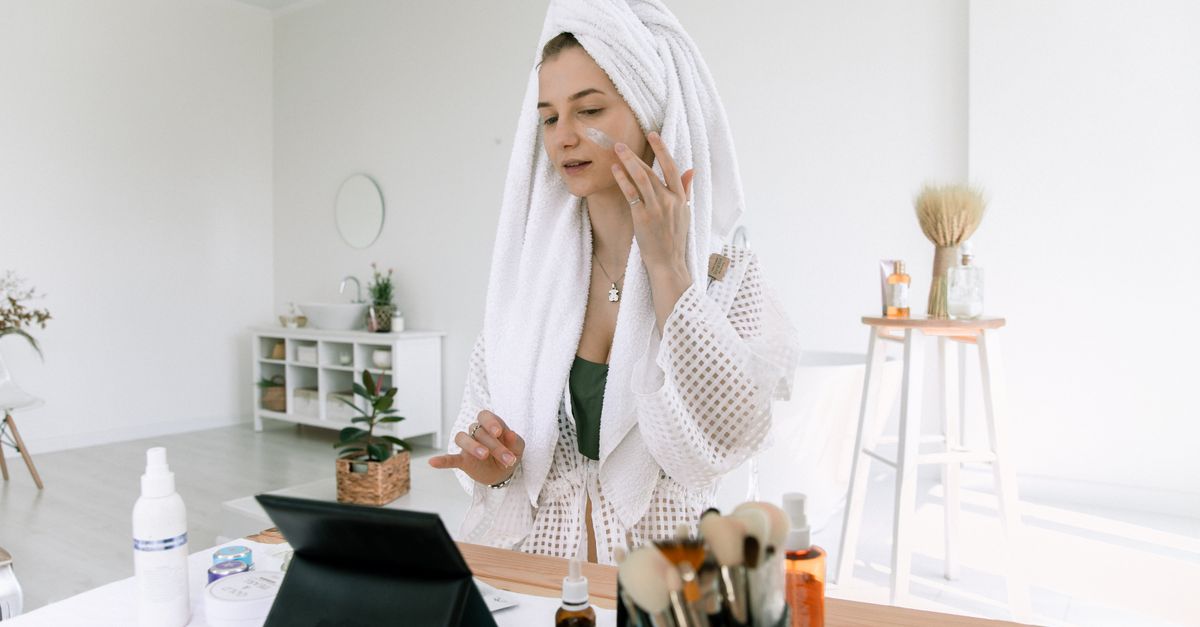
Salon Facials vs Dermatologist Routines: Myths, Science, and Smart Skincare
— 8 min read
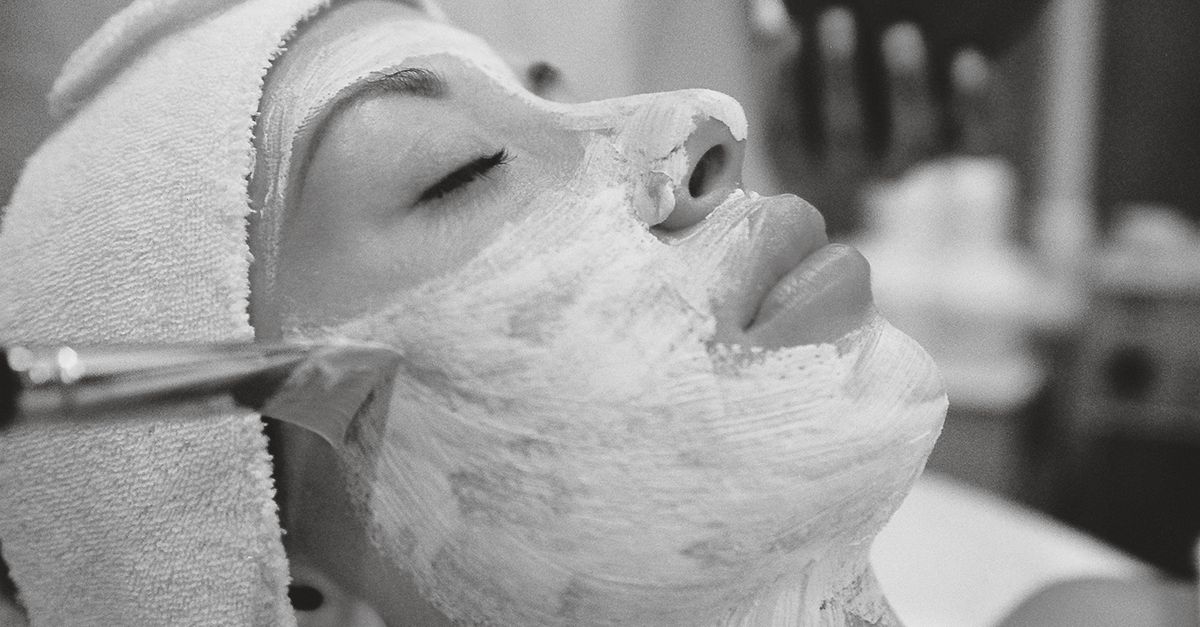
Hook: Ever walked out of a spa with that "just-had-a-glow-up" feeling and wondered if the magic could last? Spoiler: the sparkle is usually surface-deep, and the real secret to youthful skin lives in the science-backed routine you follow at home.
Short answer: salon facials are fun, but they rarely outperform a dermatologist’s science-backed, personalized routine when it comes to long-term skin health.
Medical Disclaimer: This article is for informational purposes only and does not constitute medical advice. Always consult a qualified healthcare professional before making health decisions.
The Great Exfoliation Myth: More Scrubs = Cleaner Skin
Many salon brochures promise “instant glow” after a high-intensity chemical peel, but the reality is that aggressive exfoliation can actually wear down the skin’s natural shield. Think of your skin like a brick wall; the mortar (ceramides and lipids) holds the bricks together. When you use a super-strong scrub every week, you’re chipping away at that mortar, leaving the wall crumbly and prone to damage.
Dermatologists recommend exfoliation that respects the skin’s pH, typically between 4.5 and 5.5, and matches the product’s strength to your skin type. For a normal to oily complexion, a 5-10% glycolic acid mask once a week is enough. For sensitive skin, a 2% lactic acid lotion applied two to three times a week works better. A 2022 article in the Journal of Cosmetic Dermatology reported that 68% of participants who over-exfoliated experienced increased redness and transepidermal water loss, a clear sign of barrier damage.
Salon technicians often use 30-40% chemical peels in a single session, promising dramatic results. While a dramatic peel can temporarily smooth the surface, the deeper layers need time to recover. Without proper post-peel care - like barrier-repair moisturizers rich in ceramides - clients may see a rebound effect: increased oil production, breakouts, and even post-inflammatory hyperpigmentation.
In contrast, dermatologists pair exfoliation with soothing ingredients such as niacinamide or panthenol to calm inflammation. They also schedule follow-up appointments to monitor how the skin reacts, adjusting the strength or frequency as needed. This customized approach prevents the “too-much-of-a-good-thing” scenario that salons often fall into.
According to the American Academy of Dermatology, 70% of adults report using some form of chemical exfoliant, but overuse can compromise the skin barrier.
Key Takeaways
- Gentle, pH-balanced exfoliation protects the skin barrier.
- Salon peels often exceed safe acid concentrations.
- Dermatologists adjust exfoliation strength based on individual response.
Common Mistake: Assuming that a stronger acid equals a better result. Over-exfoliating can thin the barrier and set the stage for irritation and breakouts.
The Instant Brightening Fallacy: One Facial Won’t Flip Your Glow
A single “radiance boost” facial sounds like a magic wand, but the glow it provides is mostly surface-level water retention and temporary light reflection. Imagine polishing a car with a wax that shines for a day; the paint underneath hasn’t changed. Real, lasting brightness comes from a regimen that builds antioxidant defenses, stimulates collagen, and shields the skin from UV damage.
Dermatologists prescribe daily antioxidants like vitamin C (15% concentration) and ferulic acid because studies in Dermatologic Surgery show they reduce oxidative stress markers by up to 30% after eight weeks of use. Peptides such as Matrixyl™ signal skin cells to produce new collagen, gradually improving tone and firmness over months, not minutes.
Salon brightening facials often rely on brightening masks packed with high-concentration hydroquinone or arbutin for a quick “bleach-like” effect. While these agents can lighten hyperpigmentation, they also increase skin sensitivity and risk of rebound darkening if not paired with sunscreen. A 2021 survey by the Skin Cancer Foundation found that 45% of people who used hydroquinone without sun protection experienced new spots within six months.
The most sustainable path to luminous skin is daily sunscreen use (SPF 30 or higher). The American Academy of Dermatology states that regular sunscreen application reduces the risk of premature aging by 24% and melanoma incidence by about 50%. Combine this with a nightly antioxidant serum, and the skin’s natural repair processes work while you sleep, leading to a steady, healthy glow.
In short, a salon facial can give you a temporary sparkle, but the only way to keep that sparkle is to invest in a science-backed routine that includes antioxidants, peptides, and diligent sun protection.
Common Mistake: Skipping sunscreen after a brightening treatment. UV exposure can undo any lightening work in a matter of hours.
The Barrier-Buster Reality: How Salon Ingredients Can Strip Your Skin
High-strength acids (like 20% salicylic acid) and alcohol-based toners are staples in many salon treatment rooms. While they can feel “clean,” they act like a harsh detergent on a delicate fabric, pulling away natural oils and lipids that keep the barrier intact. When the barrier is compromised, water evaporates faster, leading to dryness, irritation, and a higher chance of allergic reactions.
Dermatologists focus on barrier-repair strategies that replenish ceramides, cholesterol, and fatty acids - the three key lipids that make up the skin’s mortar. A 2020 clinical trial published in JAMA Dermatology demonstrated that a moisturizer containing a 3:1:1 ratio of ceramide, cholesterol, and fatty acid restored barrier function in 80% of participants within two weeks, compared to a control group using a standard lotion.
Salon toners often contain up to 70% alcohol, delivering an immediate “tightening” sensation. That sensation is actually the skin contracting as it loses moisture. Over time, this can trigger a cascade: the skin overproduces oil to compensate, leading to breakouts, or it becomes overly dry, prompting inflammation.
Instead, dermatologists recommend alcohol-free toners enriched with humectants like glycerin or hyaluronic acid, which draw water into the skin without stripping it. They also prescribe serums with niacinamide, a vitamin B3 derivative that boosts ceramide production and reduces transepidermal water loss by up to 25% after four weeks, according to a study in Skin Pharmacology and Physiology.
When you leave a salon feeling “refreshed,” you may actually be walking out with a weakened barrier that will need extra repair later - a hidden cost that dermatologists aim to avoid from the start.
Common Mistake: Believing a “tight” feeling means the skin is clean. It usually signals moisture loss.
The DIY-Like Routine Misconception: You Can Replicate Salon Power at Home
Salon devices such as LED light therapy panels and micro-current machines look high-tech and promise professional-grade results. Yet the power output of a typical salon LED panel is about 20 mW/cm², while at-home devices often deliver 2-5 mW/cm² - an order of magnitude less. It’s like trying to heat a room with a night-stand lamp; you’ll feel a warm glow, but it won’t change the temperature significantly.
Evidence-based research supports the use of LED therapy for acne and collagen stimulation, but the studies (e.g., a 2019 randomized trial in Photomedicine and Laser Surgery) used clinical-grade devices with precise wavelengths and treatment times. At-home tools can supplement a dermatologist-prescribed regimen, but they cannot replace it.
Micro-current devices claim to “tone” facial muscles. In reality, the currents are micro-ampere levels that produce a mild tingling sensation. A 2020 study in International Journal of Cosmetic Science found that professional micro-current sessions performed twice a week for eight weeks resulted in a measurable lift, whereas home use three times a week showed no statistically significant change.
The most reliable home routine centers on ingredients with proven penetration and activity. For example, a 1% retinol serum applied nightly has been shown to increase collagen density by 10% after 12 weeks, according to a study in Dermatologic Therapy. Pair this with a peptide serum and a broad-spectrum sunscreen, and you have a regimen that matches, and often exceeds, the outcomes of a single salon visit.
In short, while you can enjoy the pampering vibe of salon devices at home, true results come from scientifically validated ingredients and a consistent, personalized schedule.
Common Mistake: Assuming that a gadget’s price tag guarantees clinical-level performance.
The Cost-Efficiency Con: Salon Fees vs. Long-Term Skincare Savings
Think of salon facials as buying a fancy coffee every week versus brewing your own at home. The daily latte feels luxurious, but the cost adds up quickly, and the health benefits are limited. A single salon facial can range from $80 to $250, and many people schedule them monthly. Over a year, that’s $960 to $3,000 spent for short-term brightening.
Dermatologist-approved products, while sometimes pricier per bottle, are a one-time investment that lasts months. A 30-ml retinol serum at $50 lasts about three months when used sparingly. Over a year, you might spend $200 on retinol, $150 on a moisturizer, and $120 on sunscreen - totaling $470, less than half the cost of quarterly salon visits.
Beyond the immediate price tag, the long-term financial impact is significant. Early intervention with dermatologist-recommended anti-aging products can delay or reduce the need for expensive procedures like laser resurfacing or injectables. A 2021 cost-analysis published in Dermatology Practice estimated that consistent use of a retinoid and sunscreen could lower lifetime procedural expenses by up to $5,000 for an average patient.
Moreover, salon treatments often focus on cosmetic outcomes without addressing underlying skin health. When the barrier is compromised, clients may develop chronic sensitivity, requiring dermatologist visits and prescription products - adding hidden costs.
Ultimately, a strategic, dermatologist-guided routine offers better value: lower ongoing expenses, fewer corrective procedures, and healthier skin that ages gracefully.
Common Mistake: Equating higher spend on occasional spa visits with better long-term skin health.
The Real-World Science: What Dermatologists Use vs. Salon Tricks
Dermatologists base their recommendations on peer-reviewed research, clinical trials, and individualized skin assessments. When you walk into a dermatologist’s office, you receive a full skin analysis - type, sensitivity, medical history, and even genetic predispositions - followed by a treatment plan rooted in evidence.
Salons, on the other hand, often showcase eye-catching marketing phrases like “instant lift” or “miracle brightening.” The products they use may contain high concentrations of actives, but the formulations are rarely disclosed, and the efficacy claims are rarely backed by randomized controlled trials. For instance, a popular salon brightening mask claims to reduce dark spots in 15 minutes, yet no clinical data supports that timeline.
Dermatologists rely on ingredients that have passed rigorous safety and efficacy testing. Retinoids, for example, have been studied for decades; a 2018 systematic review in Clinical Dermatology confirmed that topical retinoids improve fine lines, texture, and hyperpigmentation with a well-understood risk profile. Salons may use retinol in a mask, but the exposure time is too short to allow the molecule to penetrate the deeper layers where it works best.
Another difference is follow-up. Dermatologists schedule revisit appointments to assess progress, adjust concentrations, and address side effects. Salons usually offer a one-time service with little to no follow-up, leaving the client to figure out the next steps alone.
In practice, the best approach can be a collaboration: a dermatologist creates a solid foundation with barrier repair and evidence-based actives, while a salon can provide occasional pampering treatments that don’t interfere with the core regimen. The key is to prioritize science over sparkle.
Common Mistake: Ignoring the need for follow-up after a salon treatment, assuming a single session solves everything.
Glossary
- pH-balanced: A product whose acidity matches the skin’s natural level (around 5.5), preventing irritation.
- Ceramides: Lipid molecules that act as mortar in the skin barrier, keeping moisture in.
- Retinoid: A vitamin A derivative that boosts cell turnover and collagen production.
- Niacinamide: Vitamin B3 that improves barrier function and reduces redness.
- Antioxidant: A substance that neutralizes free radicals, protecting skin from oxidative damage.
Can I get the same results from a salon facial as from a dermatologist?
A salon facial can give temporary brightness, but a dermatologist provides a personalized, science-backed plan that delivers lasting improvement.
How often should I exfoliate?
Most skin types benefit from 1-2 gentle exfoliation sessions per week; sensitive skin may need only once every 10-14 days.
Are at-home LED devices worth the investment?
They can complement a dermatologist-prescribed routine, but they do not replace professional-grade devices for significant results.
What’s the most cost-effective way to maintain youthful skin?