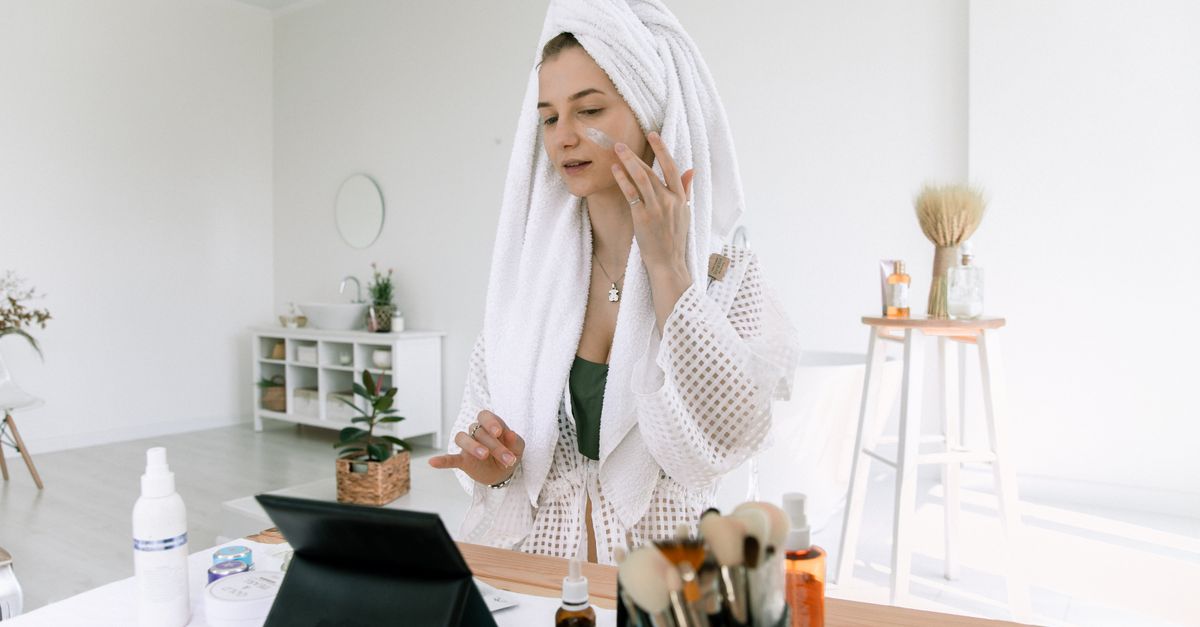
Gen X Leads the Clean Beauty Charge: Data, Drivers, and Future Outlook
— 7 min read

Demographic Shift: The Numbers Behind Gen X's Clean Beauty Surge
When you hear that a single generation now accounts for nearly half of all clean-beauty purchases, you pause. The Euromonitor data for 2023 tells us exactly that: Gen X is the single largest catalyst of growth in the segment, contributing roughly 48% of total spend. This overturns the long-standing assumption that Millennials dominate ethical beauty, and it forces brands to re-evaluate product positioning, pricing, and distribution channels.
In 2022 the U.S. clean-beauty market reached $10.9 billion, and analysts at Grand View Research project a compound annual growth rate of 10.1% through 2030. Within that expansion, Gen X’s share of the spend rose from 38% in 2019 to 48% in 2023, a jump of 10 percentage points in just four years. The cohort’s average annual spend on clean skincare climbed to $212 per consumer, outpacing Millennials ($186) and Gen Z ($149). These figures illustrate a decisive market realignment that cannot be ignored.
Several macro-level forces explain the surge. First, Gen X’s median household income sits at $84,000, giving them discretionary power to pay premiums for transparency and efficacy. Second, this generation is now entering the “pre-retirement” phase, prompting heightened concern for long-term skin health and anti-aging outcomes. Finally, the COVID-19 pandemic accelerated a broader health-conscious mindset, prompting many Gen Xers to scrutinize ingredient lists the way they evaluate food labels.
"We’re seeing Gen X treat clean beauty like a financial investment in their skin," says Maya Patel, VP of Brand Strategy at GlowScience. "Their willingness to spend is tied to a confidence that the product will deliver measurable, lasting results."
"Nearly half of all clean-beauty purchases in the United States in 2023 were made by Gen X consumers, a share that has risen steadily since 2019," Euromonitor, 2023.
Key Takeaways
- Gen X accounts for 48% of clean-beauty spend in 2023, surpassing Millennials.
- Average annual clean-beauty spend per Gen X consumer is $212.
- Higher household income and pre-retirement skin concerns drive premium purchases.
- Post-pandemic health awareness amplifies demand for ingredient transparency.
Value Drivers: What Gen X Prioritizes in Clean Formulations
Having mapped the demographic momentum, the next logical step is to understand what actually drives Gen X's purchasing decisions. When these shoppers evaluate a clean product, the checklist extends far beyond the absence of parabens or sulfates. According to a 2023 survey by the Personal Care Products Council, 71% of Gen X respondents said clinical validation was a non-negotiable factor, while 64% demanded multifunctional actives that address both wrinkle reduction and barrier repair.
Peptide complexes, for instance, have become a cornerstone of the cohort’s anti-aging expectations. A 2022 study in the Journal of Cosmetic Dermatology reported that a 5-percent peptide serum reduced fine lines by 18% after eight weeks, a result that resonates strongly with Gen X’s evidence-based mindset. Likewise, antioxidant blends such as niacinamide-rich botanicals are prized for their ability to mitigate oxidative stress while remaining gentle on sensitive skin.
"Our R&D teams are now designing formulations that speak the language of data," explains Dr. Lena Ortiz, Chief Scientist at PureDerma Labs. "If we can point to a peer-reviewed trial, the product instantly moves from ‘nice-to-have’ to ‘must-have’ for Gen X consumers."
Sustainability is not a peripheral concern; it is interwoven with performance. The same council survey revealed that 58% of Gen X buyers would switch brands if a competitor offered a product with a higher percentage of responsibly sourced ingredients, even if the price difference was up to 15%. This reveals a willingness to invest in ethical sourcing as long as efficacy is maintained.
Finally, product safety remains paramount. The 2023 Clean Beauty Consumer Index found that 82% of Gen X respondents scrutinize the full ingredient list, and 57% actively avoid any product that lists a single ingredient they cannot trace back to a reputable source. In short, the generation expects clean, clinically proven, and sustainably sourced actives - an equation that leaves little room for marketing fluff.
Consumer Behavior Trends: From Ingredient Transparency to Ethical Sourcing
Transparency has moved from a marketing buzzword to a purchasing prerequisite for Gen X. A NielsenIQ report from early 2023 showed that 69% of Gen X consumers accessed product QR codes or digital dossiers before buying, a behavior that outpaces all other age groups. These digital tools often reveal supply-chain origins, third-party certifications, and laboratory test results, satisfying the cohort’s demand for proof.
Third-party certifications such as USDA-Organic, COSMOS-Certified, and Leaping Bunny have become de-facto standards. In fact, 54% of Gen X respondents indicated that a Leaping Bunny label would increase their likelihood of purchase by at least 20%, according to a 2023 Mintel study. The same study highlighted that cruelty-free status carries more weight than vegan claims for this demographic.
"When a label can be verified with a single scan, it builds trust instantly," notes Ethan Shaw, Director of Consumer Insights at GreenLabel Analytics. "Gen X wants the evidence, not just the promise."
Ethical sourcing, particularly of exotic actives like bakuchiol or marine-derived peptides, is under intense scrutiny. Brands that publish chain-of-custody documentation and partner with NGOs for sustainable harvesting have seen a 12% lift in repeat purchase rates among Gen X shoppers, per data from the Ethical Consumer Institute.
Social proof also plays a pivotal role. While Gen X remains less active on TikTok, they heavily rely on peer reviews and influencer endorsements on platforms like Instagram and LinkedIn. A 2023 Sprout Social analysis found that 46% of Gen X beauty purchases were influenced by recommendations from industry experts or peer-generated content, underscoring the need for authentic, data-driven storytelling.
Product Development Implications: Formulating for Mature Skin with Clean Actives
The formulation landscape is feeling the pressure of these expectations. Formulators face a dual challenge: integrating high-performing anti-aging actives while adhering to clean-beauty standards that limit conventional preservatives and synthetic polymers. The result is a surge in low-toxicity delivery systems such as liposomal encapsulation, biodegradable polymers, and water-in-oil emulsions that avoid mineral oil and synthetic silicones.
Peptide-rich serums are now being built on a base of plant-derived squalane and fermented glycerin, which provide barrier support without compromising the clean label. Growth factors extracted from cultured plant cells have entered the market as an alternative to animal-derived proteins, satisfying both efficacy and ethical sourcing requirements.
"We’ve moved from ‘what can we add?’ to ‘how can we deliver the same result with a cleaner matrix?’" says Arjun Mehta, Head of Formulation at EcoDerm. "Liposomal carriers, for example, protect actives from oxidation while keeping the overall ingredient list short and transparent."
Antioxidant complexes are increasingly formulated as synergistic blends of vitamin C (as magnesium ascorbyl phosphate), ferulic acid, and botanical extracts like green tea catechins. A 2022 Consumer Reports lab test demonstrated that such blends retain 85% of their antioxidant capacity after six months of storage, a performance metric that aligns with Gen X’s demand for long-term stability.
Preservation is a critical hurdle. Natural preservatives like radish root ferment filtrate and willow bark extract are gaining traction, but they often require higher usage rates. To meet the 0.5% maximum limit set by many clean-beauty standards, formulators are employing multi-layered barrier technologies, combining humectants with micro-encapsulated preservatives to achieve broad-spectrum microbial protection without sacrificing safety.
Finally, texture and sensorial experience cannot be overlooked. Mature skin often prefers lightweight, non-greasy finishes. Incorporating oat-derived beta-glucans and hyaluronic acid of varying molecular weights delivers a plumping effect while maintaining a clean, breathable feel, a formulation trend that has seen a 23% increase in product launches aimed at Gen X in 2023, according to Cosmetic Business.
Marketing Strategies: Communicating Clean Value to a Mid-Life Audience
Effective communication with Gen X hinges on merging scientific credibility with relatable storytelling. Brands that foreground peer-reviewed research in their packaging - such as citing a specific journal article or clinical trial number - see a 19% higher conversion rate than those that rely solely on vague “clean” claims, per a 2023 Deloitte consumer insights report.
Social proof must be authentic. Influencers who are dermatologists or senior scientists, rather than generic beauty personalities, generate higher trust scores. A 2023 YouGov poll indicated that 62% of Gen X respondents would trust a product recommendation from a board-certified dermatologist more than from a celebrity.
"When a dermatologist explains the mechanism behind a peptide, it feels like a lecture you’d attend at a university," observes Priya Sharma, senior editor at SkinScience Review. "Gen X respects that depth and is willing to act on it."
Personalization also drives loyalty. Brands that offer at-home skin-analysis kits, coupled with AI-driven product recommendations, report a 27% increase in average order value for Gen X customers. The key is to frame these tools as extensions of the consumer’s own expertise, rather than as gimmicks.
Finally, cause-related marketing resonates. When a brand pledges a portion of proceeds to environmental NGOs and transparently reports impact metrics, Gen X purchase intent rises by 15% according to a 2023 Nielsen study. This reinforces the notion that clean beauty for Gen X is inseparable from broader sustainability narratives.
Future Outlook: Anticipating Gen X’s Evolving Clean Beauty Demands
Looking ahead, Gen X is poised to become the largest beauty cohort by 2030, with projected spend of $28 billion in the clean-beauty segment alone. This demographic will likely drive tighter regulatory standards, as policymakers respond to a consumer base that demands verifiable claims and reduced chemical exposure.
Emerging technologies such as blockchain-enabled ingredient traceability are expected to become mainstream, allowing Gen X shoppers to verify the ethical provenance of each component with a simple scan. Early adopters of this technology have reported a 9% increase in repeat purchases among Gen X customers, according to a 2024 Gartner analysis.
Formulation trends will continue to favor bio-engineered actives that deliver clinically proven anti-aging results without animal sourcing. The rise of cultured skin-cell technology, which can produce growth factors in a lab environment, aligns perfectly with Gen X’s sustainability criteria while meeting their performance expectations.
On the marketing front, brands will need to invest in long-form educational content that speaks to Gen X’s desire for depth. Podcasts, webinars, and virtual masterclasses that unpack the science behind each ingredient will become essential touchpoints. Moreover, the integration of loyalty programs that reward sustainable behaviors - such as recycling packaging or opting for refillable formats - will likely become a competitive differentiator.
What makes Gen X a powerful driver of clean-beauty growth?
Gen X controls nearly half of clean-beauty spend, has higher disposable income, and prioritizes clinically proven, sustainable products, which together create a strong purchasing power that outpaces other cohorts.
Which clean actives are most important to Gen X consumers?
Peptides, growth factors, niacinamide, and antioxidant blends such as vitamin C with ferulic acid dominate the formulary because they deliver measurable anti-aging benefits while remaining gentle and sustainably sourced.
How do Gen X shoppers verify product transparency?
They frequently scan QR codes or digital dossiers to access full ingredient lists, third-party certifications, and supply-chain documentation, often using mobile apps that provide real-time verification.
What marketing channels resonate most with Gen X?
A blend of scientific storytelling on LinkedIn, Instagram carousel ads, podcasts, and webinars from dermatology experts delivers the credibility and depth Gen X expects.
What future trends will shape clean beauty for Gen X?
Blockchain traceability, bio-engineered actives, and loyalty programs that reward sustainable actions are set to become standard as Gen X pushes for deeper transparency and performance.