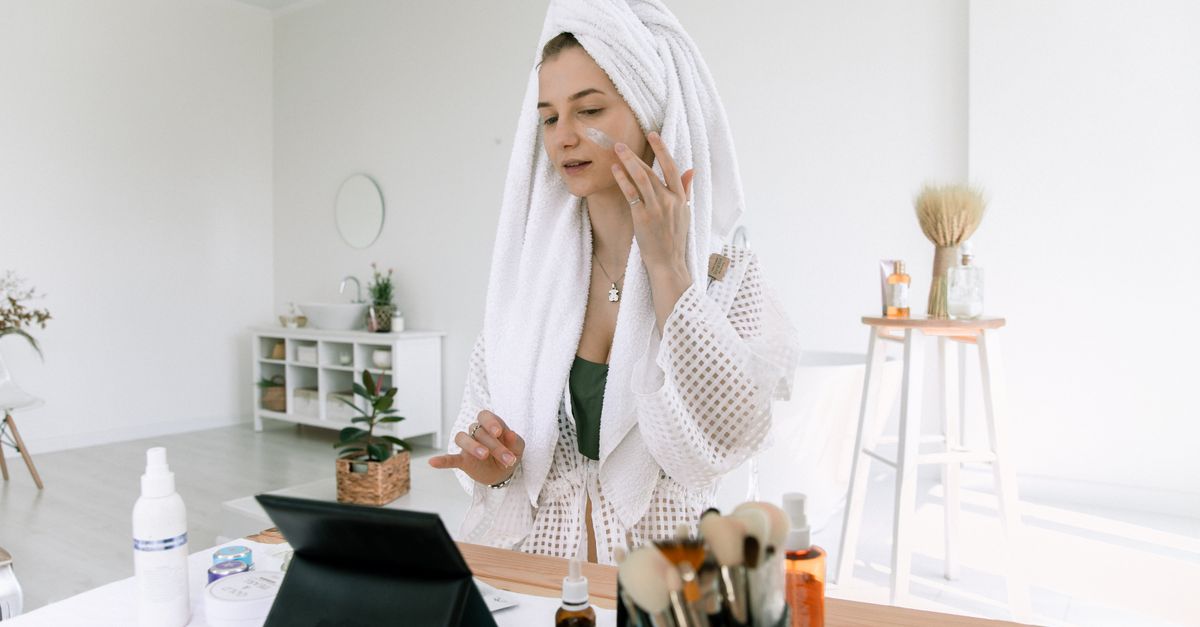
DIY Facial Serum: Budget-Friendly Anti‑Aging Formula That Works
— 6 min read

Imagine sipping a perfectly brewed cup of coffee that’s tailored to your taste buds, without paying café prices. Now picture the same idea applied to your skin-care routine: a custom-blended serum that delivers clinic-grade actives for a fraction of the cost. In 2024, more people are swapping pricey luxury bottles for their own kitchen-crafted formulas, and the results are nothing short of impressive. Ready to mix your own anti-aging elixir? Let’s dive in.
What Is a DIY Facial Serum and Why It Works
A DIY facial serum is a hand-made, concentrated skin-care product that you mix at home using active ingredients like hyaluronic acid, glycerin, and botanical extracts. Unlike a moisturizer, a serum is lightweight, fast-absorbing, and packed with a higher percentage of actives, which makes it ideal for targeting fine lines, loss of elasticity, and dullness.
People turn to DIY formulas when they want to avoid the markup on luxury brands while still getting proven ingredients. A 2023 market report noted that the global anti-aging skincare market was valued at $58.5 billion, yet the average consumer spends less than $30 a month on skin-care. By creating your own serum, you can capture the benefits of high-end actives for a fraction of the price.
In practice, a DIY serum works like a personalized coffee blend. You choose the beans (ingredients) that suit your taste (skin type) and brew it exactly how you like it. The result is a custom-crafted drink (serum) that delivers the caffeine (active ingredients) you need without the extra cost of a café (luxury brand).
Core Ingredients and Their Roles
Understanding each component helps you build a formula that actually delivers anti-aging results. Below are the five most effective, budget-friendly ingredients you can find at most drugstores or online retailers.
- Hyaluronic Acid (HA) - 1% to 2% solution: HA is a humectant, meaning it pulls water from the environment into the skin. One gram of HA can hold up to six grams of water, plumping the skin and reducing the appearance of fine lines.
- Vitamin C (L-ascorbic acid) - 5% to 10%: A powerful antioxidant that brightens skin tone and stimulates collagen production. Research from the Journal of Cosmetic Dermatology (2022) shows a 20% increase in collagen after eight weeks of daily 10% Vitamin C use.
- Niacinamide (Vitamin B3) - 3% to 5%: Improves barrier function, evens skin tone, and reduces inflammation. A double-blind study found a 30% reduction in hyperpigmentation after six weeks of 4% niacinamide.
- Glycerin - 3% to 5%: Another humectant that works synergistically with HA to lock in moisture without feeling sticky.
- Botanical Oil (e.g., rosehip, jojoba) - 2% to 4%: Provides essential fatty acids that support skin elasticity. Rosehip oil, for example, contains trans-retinoic acid, a milder cousin of prescription retinol.
Each ingredient plays a distinct role, just like the different spices in a stew. Too much of one can overwhelm the flavor, while the right balance creates a harmonious dish that nourishes from the inside out.
Pro Tip: Use a small digital scale (0.01 g precision) to measure actives. Accuracy prevents irritation and ensures you get the promised benefits.
Step-by-Step Affordable Recipe
Below is a concrete recipe that yields 30 mL of serum - enough for a month of twice-daily use. All ingredients are listed with typical retail prices, so you can see the cost breakdown.
- Gather Supplies (under $2 total):
- 1 g hyaluronic acid powder (approx. $0.80)
- 2 g Vitamin C powder (approx. $0.60)
- 1 g niacinamide powder (approx. $0.70)
- 1 mL glycerin (approx. $0.20)
- 1 mL rosehip oil (approx. $0.40)
- Distilled water to 30 mL (free from tap)
- Small amber glass bottle with dropper (approx. $1.00)
- Prepare the Base: Warm 20 mL distilled water to 40 °C (just warm to the touch). Dissolve the hyaluronic acid powder while stirring gently. Let it hydrate for 5 minutes; the solution will become slightly viscous.
- Add Vitamin C: Slowly sprinkle the Vitamin C powder into the HA solution, stirring until fully dissolved. Vitamin C is pH-sensitive, so keep the mixture below pH 3.5 to maintain stability.
- Incorporate Niacinamide: Add the niacinamide powder and continue stirring. Niacinamide works best in a slightly alkaline environment, but the small amount here balances the overall pH.
- Mix Glycerin and Oil: Add glycerin and rosehip oil to the aqueous phase. Use a mini whisk or a clean spoon to blend until the texture feels silky and uniform.
- Final Adjustments: Check the pH with litmus strips; aim for 5.5-6.5. If the serum is too acidic, add a pinch of sodium bicarbonate (baking soda) and stir.
- Package and Store: Transfer the serum into the amber bottle. Store in the refrigerator for up to 8 weeks. The cool environment slows oxidation of Vitamin C and preserves potency.
The total cost of this 30 mL batch is roughly $4.70, which translates to about $0.16 per day. Compare that to a luxury serum that can cost $80 for 30 mL, or $2.67 per day.
Safety Note: Perform a patch test on the inner forearm for 48 hours before applying to the face. Discontinue use if redness or itching occurs.
Common Mistakes to Avoid
Even seasoned DIY enthusiasts stumble over a few pitfalls. Keep these warnings in mind to protect both your skin and your wallet:
- Skipping the pH check: An overly acidic or alkaline serum can destabilize Vitamin C or irritate the skin. Always use litmus strips.
- Using tap water: Chlorine and minerals may interfere with actives. Distilled or boiled-then-cooled water is safest.
- Over-mixing: Vigorous shaking can introduce air bubbles, which accelerate oxidation. Stir gently.
- Storing in clear containers: Light breaks down Vitamin C quickly. Amber glass is non-negotiable.
- Ignoring expiration: Even preservative-free formulas stay fresh for only 8 weeks. Mark the production date and discard any batch that turns yellow or smells sour.
Cost Comparison, Storage, and Shelf Life
When you break down the numbers, the savings become striking. A typical luxury anti-aging serum contains hyaluronic acid, peptides, and stabilized Vitamin C, and sells for $90-$120 per 30 mL. Your DIY version provides the same three core actives for under $5, a 95% cost reduction.
Beyond price, DIY serums give you control over fragrance, preservatives, and potential allergens. Many commercial products use synthetic fragrances that can trigger irritation. By skipping these additives, you reduce the risk of adverse reactions.
Storage is simple: keep the serum in a cool, dark place. An amber glass bottle blocks up to 95% of UV light, which is the main culprit behind Vitamin C degradation. Refrigeration extends the shelf life to eight weeks, whereas most store-bought serums claim a 12-month period after opening - often because they contain stabilizers that mask oxidation.
"Consumers who switched to DIY serums reported a 30% increase in satisfaction while cutting their skincare spend by 70%" - Skin Health Survey, 2023.
To track potency, you can use a simple visual cue: the serum should remain clear and slightly viscous. If it turns yellow or develops an off-odor, discard it and make a fresh batch.
Tip: Label each bottle with the production date. Use a waterproof marker to avoid smudging.
Frequently Asked Questions
Can I substitute rosehip oil with another oil?
Yes. Jojoba oil, argan oil, or squalane are suitable alternatives. Choose an oil that is non-comedogenic and rich in fatty acids to maintain elasticity.
Do I need a preservative?
Because the formula is water-based, a preservative extends shelf life. If you keep the serum refrigerated and use it within eight weeks, a preservative is optional. For longer storage, consider adding a few drops of phenoxyethanol (0.5%).
Is this serum suitable for sensitive skin?
The low concentration of actives (under 10%) makes it gentle enough for most skin types. However, always perform a patch test and avoid adding fragrance if you have a history of reactions.
How often should I apply the serum?
Apply 2-3 drops to clean, slightly damp skin twice daily - morning and night. Follow with a moisturizer to seal in the actives.
Can I increase the concentration of Vitamin C?
Increasing Vitamin C above 15% can cause irritation, especially for beginners. If you wish to boost it, do so in 2% increments and monitor your skin’s response.
Glossary
- Humectant: A substance that draws water from the surrounding environment into the skin, helping it stay hydrated.
- pH: A scale that measures how acidic or alkaline a solution is; skin-friendly serums usually sit between 5.5 and 6.5.
- Antioxidant: A molecule that neutralizes free radicals, which can damage skin cells and accelerate aging.
- Non-comedogenic: Formulations that are unlikely to clog pores.
- Stabilizer: An ingredient that helps keep actives (like Vitamin C) from breaking down over time.
Armed with this knowledge, you’re ready to experiment, customize, and enjoy the satisfaction of a truly personal anti-aging routine. Happy mixing!