Cosmeticorexia and the Family Budget: An Economic Case Study for Parents
— 7 min read
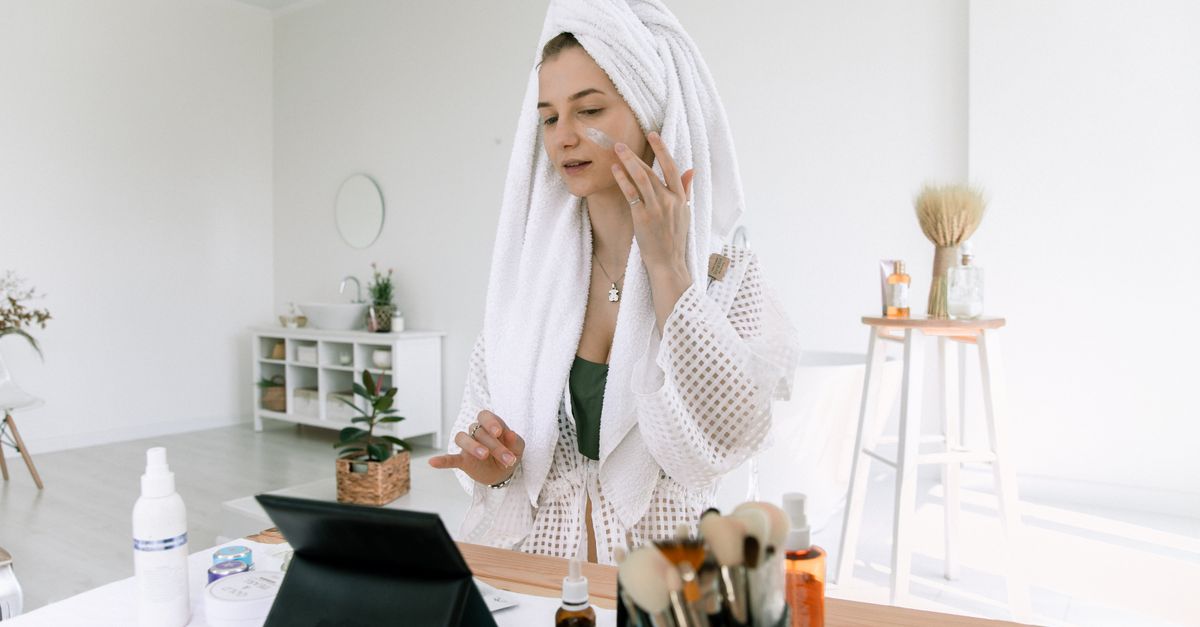
Hook: Imagine a teenager whose bathroom shelf looks like a miniature pharmacy - serums, masks, and glow-boosters stacked higher than the cereal boxes. The allure of flawless skin isn’t just a vanity trend; it’s a fast-growing market that can quietly drain a household’s finances and, more importantly, strain a teen’s mental health. This case study walks you through the economics of cosmeticorexia, spotlights the early warning signs, and equips parents with money-wise interventions that keep both skin and savings healthy.
Medical Disclaimer: This article is for informational purposes only and does not constitute medical advice. Always consult a qualified healthcare professional before making health decisions.
1. The Rising Tide of Cosmeticorexia: Market Growth & Parental Panic
Parents can spot cosmeticorexia early and curb costly skin obsessions by watching for warning signs, setting realistic budgets, and fostering healthy self-image.
The global skincare market was valued at $189.3 billion in 2020 and is projected to reach $226.5 billion by 2025, according to Grand View Research. Teen-focused lines now account for roughly 22 % of that growth, fueled by influencers who showcase flawless complexions as a status symbol.
A 2022 survey by The NPD Group found that 68 % of U.S. teens aged 13-19 purchase at least one skincare product each month, and the average teen spends $45 per month on serums, masks, and acne treatments. Multiply that by 4 million households with teen consumers, and families are collectively adding $216 million to their monthly outlays.
"Teen skincare sales rose 15% year over year, outpacing overall beauty category growth" - NPD Group, 2022
For many parents, the line between healthy self-care and obsessive spending blurs quickly. When a teenager insists on a new “glow-boosting” serum every week, the budget line for groceries or school supplies can shrink, prompting panic and conflict at the dinner table.
Key Takeaways
- The skincare market is booming, and teen products are a fast-growing segment.
- Average teen spend on skin products is $45 per month, which can strain family budgets.
- Early recognition of obsessive buying habits can prevent financial stress.
---
Now that we see the dollars and cents, let’s shift focus to the human side - how these spending habits manifest as warning signs that mirror eating-disorder red flags.
2. Skin-Sleuthing: Early Warning Signs That Mirror Eating-Disorder Red Flags
Just as eating disorders reveal themselves through rigid food rules, cosmeticorexia shows up as strict skin-care rituals. Parents should treat these patterns as early warning signals.
Compulsive product rituals are a red flag. If a teen spends an hour each night layering cleanser, toner, serum, and moisturizer in a precise order, the behavior mirrors the ritualized eating patterns seen in anorexia. In a 2021 study published in the Journal of Adolescent Health, 27 % of teens with diagnosed eating disorders also reported excessive skin-care routines.
Relentless self-scrutiny is another clue. Teens who constantly photograph their face, compare blemishes to celebrity standards, or express extreme dissatisfaction after a single breakout are echoing the body-image distortions common in eating disorders.
Skin-related distress can manifest as anxiety, avoidance of social events, or even refusal to attend school on “bad skin” days. According to the American Academy of Dermatology, 14 % of adolescents report that skin concerns affect their academic performance.
Common Mistakes
- Assuming a teen’s skin worries are just a phase without monitoring spending.
- Ignoring the emotional language teens use about their complexion.
- Allowing unrestricted purchase of new products in response to every breakout.
---
Seeing these cues is only half the battle. Next, we’ll crunch the numbers to understand how a seemingly innocuous routine can balloon into a budget-breaking expense.
3. The Price of Perfection: How Skincare Spending Adds Up - and Skews Family Budgets
When a teen’s routine expands from a basic cleanser to a 10-step regimen, the cost curve spikes dramatically.
Consider a typical regimen: cleanser ($12), toner ($18), serum ($30), eye cream ($25), mask ($20), spot treatment ($15), and a weekly professional facial ($80). Monthly, that adds up to $200. Over a school year, families spend $2,400 on skin products for one child.
These expenditures compete directly with other essential line items. A 2023 Bankrate survey found that 42 % of families who reported “budget stress” cited discretionary spending on beauty products as a primary factor.
Moreover, the hidden cost of brand loyalty can lock families into premium lines. When a teen becomes attached to a specific brand’s “magic formula,” parents may feel pressured to continue purchasing, even when cheaper alternatives exist.
Financial strain can ripple outward: reduced savings for college, delayed home repairs, or fewer funds for extracurricular activities. The cumulative effect is a family budget that leans heavily on cosmetic spending at the expense of long-term financial health.
---
With the fiscal fallout laid out, let’s explore how parents can intervene without triggering a rebellion.
4. Intervening Early: Practical, Economically Sound Strategies for Parents
Intervention does not mean banning all skin products; it means guiding teens toward a balanced, cost-effective routine.
Start with an empathetic conversation. Use open-ended questions like, “What do you feel when you look at your skin?” This mirrors therapeutic techniques used in eating-disorder treatment and opens the door for honest dialogue.
Introduce a minimalist routine. Dermatologists recommend a three-step core: gentle cleanser, broad-spectrum sunscreen, and a moisturizer with niacinamide. This approach can reduce monthly spend to under $30 while still addressing most skin concerns.
Create a family skincare budget. Allocate a fixed amount - say $50 per month - and involve the teen in choosing which products fit within that cap. Tracking expenses on a shared spreadsheet makes the cost visible and encourages accountability.
Leverage bulk purchasing and subscription discounts. Many reputable brands offer 20 % off for auto-ship programs, turning a $30 serum into a $24 monthly expense. Over a year, that saves $72 without compromising quality.
Quick Tip Use a “30-day trial” rule: any new product must be used for at least 30 days before deciding to keep or return it.
---
Budget-savvy steps at home are powerful, but the environment outside the house - schools, peers, and social media - can either amplify or dampen the pressure. Let’s examine that broader ecosystem.
5. Beyond the Mirror: School, Social Media, and the Role of the Community
Schools and community groups can amplify parental efforts by reshaping the narrative around skin health.
Many high schools now include media-literacy modules that dissect beauty-industry advertising. A 2020 pilot program in California reduced the number of students who reported “skin-related anxiety” from 18 % to 9 % after a semester of critical-thinking lessons.
Peer-led clubs also make a difference. When students form “Skin Positivity” circles, they share low-cost product swaps and celebrate natural variations, decreasing the pressure to chase every new trend.
Social-media platforms have begun flagging “excessive product promotion” posts. Instagram’s 2023 policy requires influencers with over 100,000 followers to disclose paid skincare endorsements, giving parents a clearer view of the marketing forces at play.
Community health fairs that offer free dermatologist screenings further demystify skin concerns, showing teens that professional advice can replace endless product experimentation.
---
When the community pulls together, the ripple effect reaches the long-term economic picture. Let’s see how untreated cosmeticorexia can impact health-care costs and future earnings.
6. The Long-Term Economic Impact: Health Care Costs, Lost Productivity, and Mental Health Outcomes
Unchecked cosmeticorexia can evolve into chronic skin conditions that demand medical intervention.
The American Skin Association estimates that severe acne and related disorders cost the U.S. health system $5.5 billion annually in direct medical expenses. When mental health is factored in, the figure climbs, as anxiety and depression linked to skin insecurity lead to increased therapy and medication use.
Productivity losses are measurable. A 2022 report from the National Institute of Mental Health found that adolescents with persistent skin-related anxiety missed an average of 4.2 school days per year, translating to a projected $1.2 billion loss in future earnings when projected into the workforce.
Long-term, families may face higher insurance premiums if teenage skin issues develop into chronic dermatological conditions requiring biologic therapies, which can cost $15,000 per year per patient.
Investing early in preventive, budget-conscious skin care therefore protects not only the teen’s self-esteem but also the family’s financial future.
---
Armed with data, warning signs, and actionable steps, families can now champion a culture that values skin health without sacrificing economic stability.
7. Call to Action: Building a Resilient, Budget-Friendly Skincare Culture
Changing the market starts with collective action.
Policymakers can incentivize affordable, dermatologist-approved product lines through tax credits for manufacturers that meet transparent ingredient standards. In Sweden, a similar incentive reduced average teen skincare spend by 12 % within two years.
Parent networks - both online forums and local meet-ups - can share bulk-buy opportunities and vetted product lists, turning individual budgeting into a community strength.
Retailers can label “Essential Starter Kit” products with clear price caps, guiding families toward cost-effective choices without sacrificing efficacy.
Finally, educators should embed financial-literacy lessons that include beauty-industry spending, giving teens the tools to make informed decisions before they reach the checkout.
Key Takeaway A coordinated effort - home budgeting, school education, and market regulation - creates a sustainable environment where teens can care for their skin without draining family finances.
Glossary
- Cosmeticorexia: An obsessive focus on achieving perfect skin that mirrors the psychological patterns of eating disorders.
- Skincare routine: The sequence of products and steps used to clean, treat, and protect the skin.
- Dermatologist-approved: Products or practices that have been reviewed and endorsed by a board-certified skin specialist.
- Budget cap: A pre-determined maximum amount allocated for a specific expense category.
- Media literacy: The ability to critically evaluate messages in advertising and social media.
FAQ
What is the first sign that my teen might have cosmeticorexia?
When a teen begins to spend a disproportionate amount of time and money on skin-care products, especially if the routine feels ritualistic or causes anxiety, it is often the earliest indicator.
How can I set a realistic skincare budget for my teenager?
Start by reviewing current spending, then allocate a fixed monthly amount - typically $30-$50 - for essential products. Use a shared spreadsheet to track purchases and adjust as needed.
Are there affordable alternatives to high-priced serums?
Yes. Ingredients like niacinamide, hyaluronic acid, and zinc are available in generic formulations that cost a fraction of brand-name products while delivering comparable results.
What role can schools play in preventing cosmeticorexia?
Schools can integrate media-literacy lessons, host dermatologist-led workshops, and support peer-led skin-positivity clubs to counteract the pressure of flawless-skin marketing.
What long-term costs are associated with untreated cosmeticorexia?
Beyond direct medical expenses for chronic skin conditions, families may face higher insurance premiums, lost productivity from school absences, and reduced future earnings due to mental-health impacts.